Introduction to Baked Feta Eggs
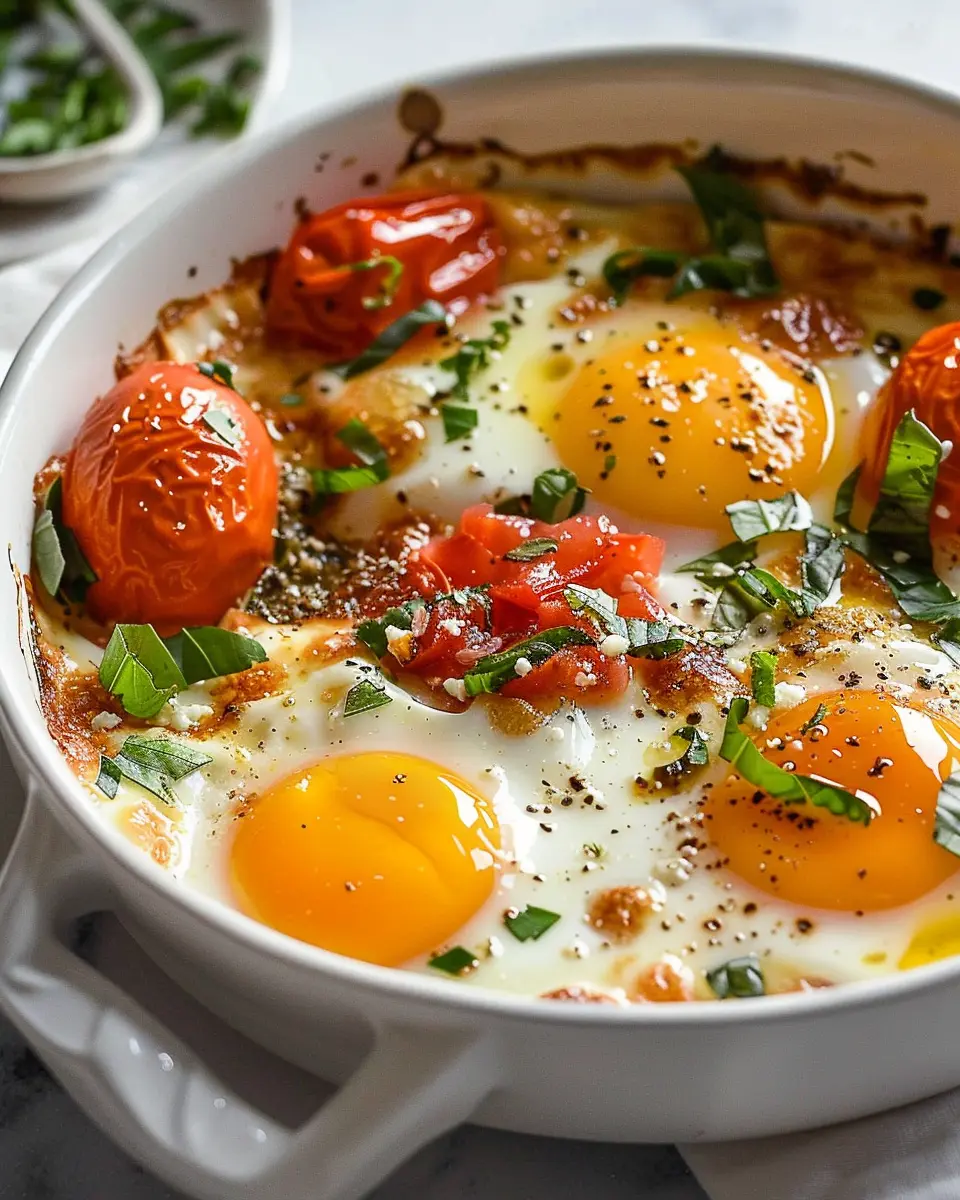
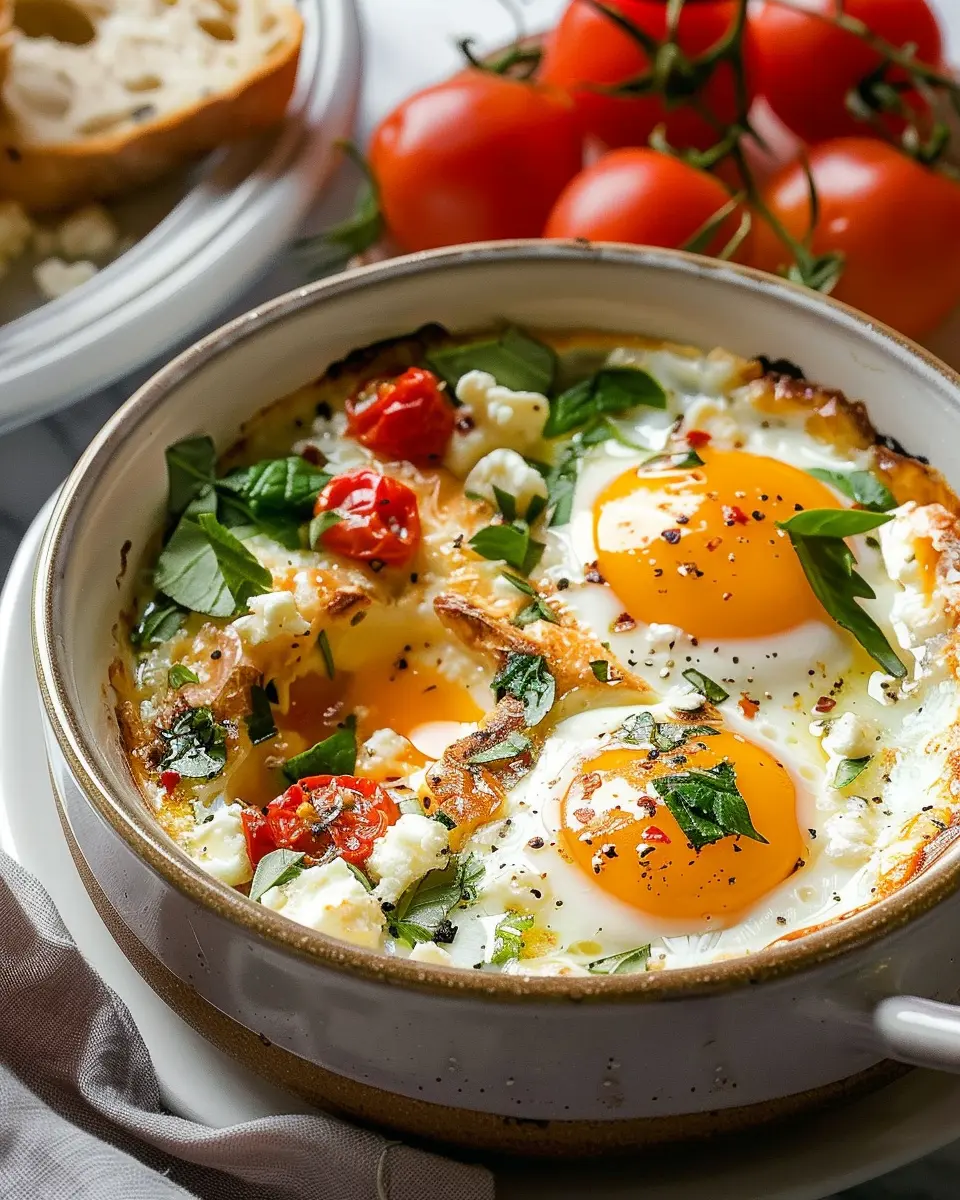
If you’re tired of the same old breakfast routine and looking to spice things up on your plate, then baked feta eggs are about to become your morning favorite. This dish elevates the classic egg breakfast by combining creamy feta cheese with the satisfying goodness of eggs for a simple yet delectable meal. Imagine waking up to the smell of baked cheese mingling with perfectly cooked eggs—sounds heavenly, right?
Why Baked Feta Eggs are a Game Changer for Breakfast?
First off, let’s talk convenience. Baked feta eggs are incredibly easy to prepare, which is a major plus for busy young professionals juggling work commitments and personal life. You can throw together this vibrant dish in just a few minutes and let the oven do the rest. No constant attention, just set a timer and enjoy a hot coffee while you wait!
But what’s more exciting is the nutritional profile. Eggs are a fantastic source of protein, and paired with feta, you introduce a medley of calcium and flavor into your morning. According to health experts, including nutrients from dairy can significantly enhance bone health (source). Plus, feta cheese brings a zesty kick, making each bite a delightful experience.
Not only is this dish packed with nutrients, but it’s also remarkably versatile. Feel free to add in your favorites—sautéed spinach, juicy cherry tomatoes, or even some Turkey bacon for that crispy texture. The beauty of baked feta eggs is that they can easily adapt to your taste preferences.
And let’s be real; the Instagram-worthy presentation doesn’t hurt either! The contrast of colors from the vibrant yolk and the white creamy feta makes for a dish that’s not just delicious but also visually appealing. Your mornings just got a serious upgrade.
If you’re intrigued by this easy yet delicious recipe, keep reading to discover how you can whip up your own batch of baked feta eggs. You can explore more about the health benefits of eggs from sources like Healthline and learn how to perfectly bake feta to experience its best taste.
Ingredients for Baked Feta Eggs
Fresh, flavorful ingredients you’ll need
If you’re looking to whip up a fantastic dish that’s both nutritious and satisfying, baked feta eggs are a great choice! Here’s a quick rundown of the essential ingredients you’ll need to get started:
- Feta Cheese: A large block of creamy feta is the star of this dish. Make sure to choose a high-quality version for the best flavor.
- Fresh Eggs: Opt for medium to large eggs, ideally free-range. They will elevate the tasting experience.
- Cherry Tomatoes: Sweet, juicy cherry tomatoes add a burst of flavor and color. Look for the ripest ones at your local market.
- Spinach: Fresh spinach wilts beautifully and adds a nutritional boost. Alternatively, you can use other leafy greens like kale or arugula.
- Turkey Bacon or Chicken Ham: For a savory twist, include chopped turkey bacon or chicken ham. These add a nice depth of flavor while keeping the dish leaner.
- Olive Oil: A drizzle of extra virgin olive oil brings everything together and enhances the flavors.
- Herbs and Spices: Fresh or dried herbs like oregano, thyme, or a sprinkle of chili flakes will make your baked feta eggs shine.
Curious about why these ingredients work so well together? Check out this insightful article on flavor pairings for more tips! Remember, fresh ingredients make all the difference in elevating this simple dish into something spectacular. Happy cooking!
Preparing Baked Feta Eggs
Baked Feta Eggs are a delightful blend of creamy cheese and perfectly cooked eggs that make for a fantastic breakfast or brunch dish. If you’ve never tried them before, let me walk you through the process step by step. You’ll be amazed at how easy it is to whip up this delicious meal!
Gather and Prep Your Ingredients
Before we dive into the kitchen, let’s collect everything we need. You’ll want to make sure you have all your ingredients ready to go. Here’s what you’ll need:
- Feta cheese: About four ounces, crumbled.
- Eggs: Four large ones.
- Vegetables: Choose your favorites! Options like bell peppers, spinach, cherry tomatoes, and onions work beautifully.
- Olive oil: A drizzle for roasting the veggies.
- Spices and herbs: Think oregano, red pepper flakes, or your personal favorites.
- Turkey bacon or chicken ham: For that extra protein punch, if desired.
Take a moment to wash and chop your vegetables. You’ve got this! With everything prepped, you’ll find the cooking process to be considerably smoother.
Mix and Layer the Veggies and Feta
Now that your ingredients are prepped, it’s time to layer them in your baking dish. The key here is to think about how the flavors will meld together. Start with a base of your chosen veggies.
- Tip: Bell peppers and onions are a great combination for flavor and color.
Evenly spread them out in the dish, and then sprinkle the crumbled feta over the top. The cheese will add a tangy creaminess that perfectly complements the veggies.
Spice It Up!
Here’s where you can get creative! Spices and herbs elevate your baked feta eggs to a whole new level. Consider using a mix of the following:
- Dried oregano: This herb adds a warm flavor.
- Red pepper flakes: For a nice kick (adjust to your spice tolerance).
- Black pepper and salt: Simple, yet effective.
Feel free to experiment with flavors that ignite your taste buds. If you’re interested in the health benefits of various spices, explore resources like Healthline for further insights.
Create Wells for the Eggs
Now for the fun part: creating wells for the eggs! Using a spoon, make little indentations in the veggie and feta mixture—enough to hold an egg snugly. This will ensure all the flavors meld together beautifully while baking. If you like a bit of texture, consider cracking the eggs directly on top without whisking them, so they maintain their lovely yolk centers.
Bake to Perfection
With everything in place, it’s time to pop your creation into a preheated oven at 375°F (190°C). Bake for about 20-25 minutes or until the eggs are set to your liking. You want the whites firm but the yolks slightly runny for that delicious, velvety finish.
Once done, let it cool for a few minutes before digging in. You can pair your baked feta eggs with a slice of crusty bread or a light salad for a complete meal.
As you can see, preparing Baked Feta Eggs is not only simple but also incredibly satisfying, both in taste and presentation. Perfect for impressing friends or simply treating yourself, this dish is sure to be a favorite. Enjoy experimenting with flavors and make it your own! Happy cooking!

Variations on Baked Feta Eggs
If you’re falling in love with baked feta eggs, you’re definitely not alone! This dish is versatile and can be personalized to match your mood and dietary preferences. Let’s explore some delightful variations that can take this dish to the next level.
Mediterranean Twist with Olives
For a truly Mediterranean experience, why not add a handful of olives? A mix of Kalamata and green olives lends a punchy saltiness and depth of flavor that complements the creaminess of the feta beautifully. Just chop them coarsely and sprinkle them into the dish before baking. Alongside some sun-dried tomatoes and fresh herbs, you’re well on your way to a Mediterranean masterpiece. You might even find inspiration from authentic dishes, like the classic shakshuka, for more flavor profiles.
Protein Punch with Turkey Bacon or Chicken Ham
If you’re looking to amp up the protein in your baked feta eggs, consider adding some crispy turkey bacon or chopped chicken ham. Just sauté the turkey bacon until it’s crispy and scatter it over the eggs before they go in the oven. The richness of the wealth will create a delicious contrast with the briny feta and egg yolk. It’s an excellent way to enjoy a satisfying breakfast while keeping your energy levels high throughout the day.
Vegan Alternatives for a Plant-Based Version
Don’t fret if you’re opting for a plant-based lifestyle! You can still enjoy these flavorful baked feta eggs. Swap out the feta for a tofu-based feta or a cashew cheese that mimics that tangy flavor. Keep the eggs or use chickpea flour to create a scramble that bakes beautifully. This way, you’ll retain the comforting essence of the dish while embracing a plant-based approach.
With these variations, your baked feta eggs can feel fresh and exciting every time you make them. What’s your favorite way to jazz up a classic recipe?
Cooking Tips and Notes for Baked Feta Eggs
Handling feta cheese
When it comes to making baked feta eggs, the quality of your feta cheese can make all the difference. Look for block feta instead of crumbled, as it tends to be creamier and flavor-packed. If you’re feeling adventurous, try marinating your feta in herbs and olive oil for a few hours before baking. Not only does this enhance the flavor, but it adds a lovely richness to your dish. Crumble the feta over your eggs right before baking for that perfect melt-in-your-mouth consistency.
Storing leftovers properly
Got leftovers? Don’t worry! Your baked feta eggs can easily be stored. Just let them cool completely before transferring them to an airtight container. They can be stored in the refrigerator for up to 3 days. To reheat, pop them in the oven at a low temperature or gently microwave them. You can also add a splash of water to keep the eggs from drying out. Knowing how to properly store and reheat your dish can ensure that you enjoy it just as much the next day! For more tips on food storage, check out the USDA’s Food Safety Guidelines.
Serving Suggestions for Baked Feta Eggs
Perfect pairings: bread and sides
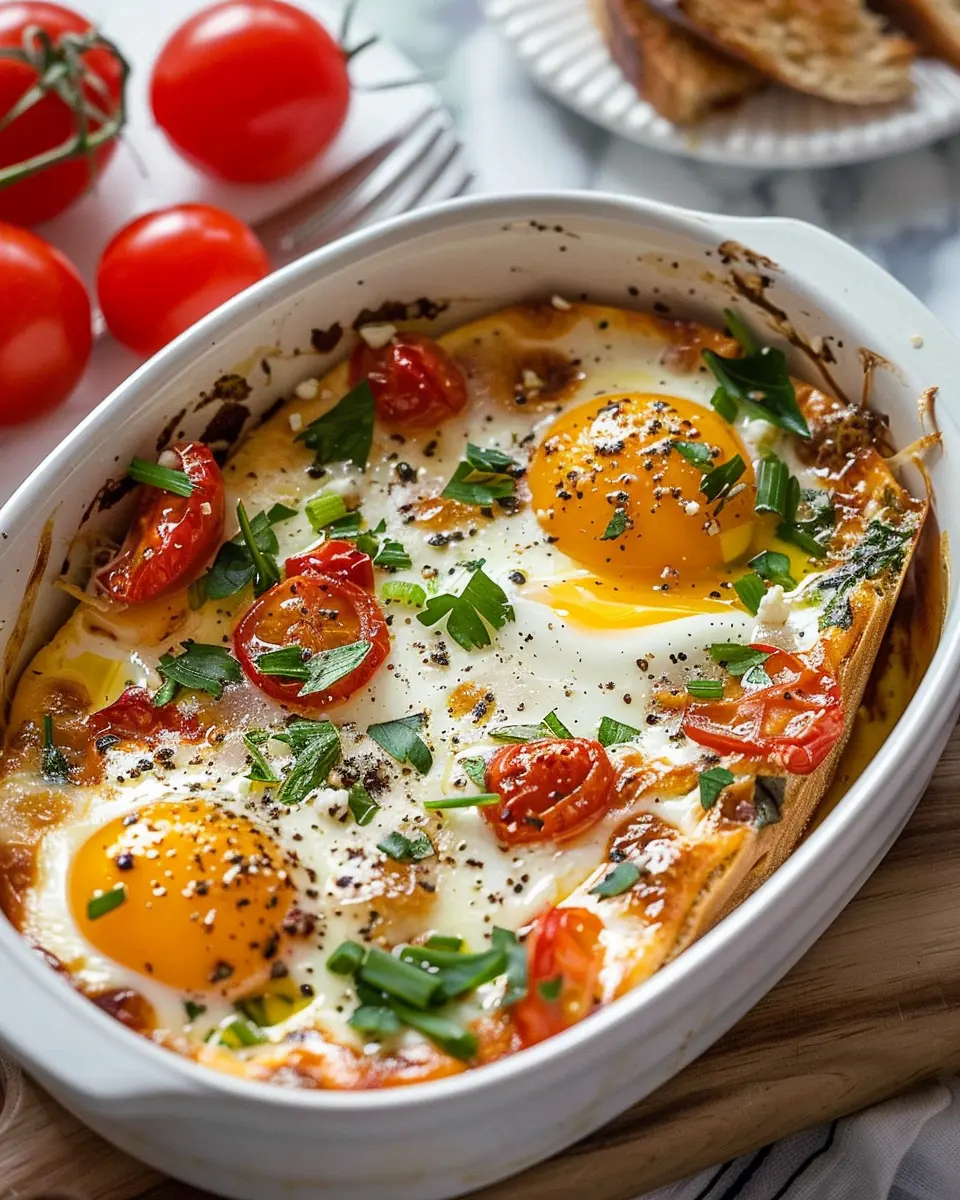
When enjoying your baked feta eggs, think of the perfect accompaniments to elevate your meal. Freshly toasted sourdough bread is a classic choice; its tanginess perfectly complements the creamy feta. If you prefer something heartier, whole grain toast brings a nutty flavor and a satisfying crunch.
For sides, consider adding a simple arugula salad dressed with lemon and olive oil. The peppery arugula can balance the dish’s richness. Additionally, some grilled vegetables—like zucchini or bell peppers—can add a splash of color and nutrition, making your plate visually appealing and wholesome.
Creative plating ideas
Presentation goes a long way, especially when serving baked feta eggs. Opt for rustic serving dishes to enhance the dish’s homely feel. Try plating your eggs directly in a cast-iron skillet for a charming, rustic vibe.
Sprinkle some fresh herbs—such as parsley or basil—on top for a burst of color. Consider garnishing with thinly sliced avocado or drizzling with a bit of balsamic glaze for an elegant touch.
These small details not only enhance the flavor but also make your meal look irresistible. For more inspiration on plating and styling, check out resources from culinary sites like Epicurious or Food52.
Time Breakdown for Baked Feta Eggs
Preparation Time
The baked feta eggs recipe is perfect for those busy mornings, requiring just about 10 minutes for preparation. Gather your ingredients, chop up your veggies, and crumble your feta — all in a snap!
Cooking Time
Once you pop the dish into the oven, it will take approximately 20 minutes to achieve that golden, bubbly delight. While it cooks, you can brew your favorite coffee or tea. Need some tips on perfecting your brew? Check out this guide.
Total Time
In a total of 30 minutes, you’ll be enjoying a hearty, protein-packed meal. It’s quick enough for a weekday breakfast but special enough for a leisurely weekend brunch with friends. So, who’s ready to dig into these delightful baked feta eggs?
Nutritional Facts for Baked Feta Eggs
When it comes to a quick, delicious breakfast, baked feta eggs are not only satisfying but also packed with nutrients. Here’s a quick breakdown of their nutritional value:
Calories
Each serving of baked feta eggs contains approximately 300 calories, making it a hearty breakfast choice without being overly indulgent. This dish provides substantial energy to kickstart your day.
Protein
With the inclusion of feta cheese and eggs, these baked feta eggs offer about 20 grams of protein per serving. For young professionals looking to maintain or build muscle, this protein content helps keep you feeling full and energized through your morning meetings.
Sodium
It’s important to note that these baked feta eggs can contain around 800 mg of sodium. While feta cheese contributes to this value, it’s worth keeping in mind if you’re watching your salt intake. Consider using low-sodium feta cheese for a healthier alternative.
For more insights on healthy eating, check out the CDC’s guidelines on nutrition!
FAQs about Baked Feta Eggs
Can I make baked feta eggs ahead of time?
Absolutely! One of the great things about baked feta eggs is their versatility. You can prepare the dish in advance by mixing the ingredients together but hold off on baking until you’re ready to eat. Just store everything in the fridge in an airtight container for up to 24 hours. When you’re set to enjoy your meal, simply pop it in the oven for a fresh and hot experience!
What can I substitute for feta?
If feta isn’t your jam or you have a dairy sensitivity, there are several tasty alternatives. Here are a few options:
- Goat cheese: It offers a creamy texture with a tangy bite.
- Ricotta: For a lighter touch, consider ricotta; it pairs wonderfully with eggs.
- Cream cheese: This will give a rich consistency but with a milder flavor.
While these substitutes change the flavor profile, they still keep the essence of baked feta eggs intact.
Are there any good side dishes to serve with this?
Pairing your baked feta eggs with the right side dish can elevate your meal. Consider these delightful options:
- Avocado toast: A classic pairing that adds healthy fats and crunch.
- Roasted cherry tomatoes: Their sweetness complements the savory feta perfectly.
- A fresh garden salad: Light and refreshing, this will round out your plate beautifully.
These sides don’t just taste good; they’re visually appealing and can cater to various dietary preferences. For more inspiration, check out Minimalist Baker’s Guide for creative side dishes to elevate your brunch or breakfast experience!
With these tips in your back pocket, you’re all set to impress your friends and family with your baked feta eggs creation!
Conclusion on Baked Feta Eggs
Why you should start your day with baked feta eggs!
Starting your day with baked feta eggs is not just a delightful experience for your taste buds; it also fuels your body with essential nutrients. This dish combines rich flavors with protein, keeping you energized and satisfied throughout the morning. Imagine digging into a creamy egg baked with tangy feta and sun-kissed tomatoes—what a perfect start!
Plus, it’s quick to prepare, making it ideal for busy mornings. With just a few ingredients, you can whip up a meal that feels gourmet. Consider giving it a try, and you might just find it becoming your new breakfast staple! For more breakfast inspiration, check out this article on healthy breakfast options.
PrintBaked Feta Eggs Recipe: A Delicious Twist with Turkey Bacon

Discover a delightful twist on traditional baked eggs with the Baked Feta Eggs Recipe, featuring savory turkey bacon.
- Prep Time: 10 minutes
- Cook Time: 30 minutes
- Total Time: 40 minutes
- Yield: 2 servings
- Category: Breakfast
- Method: Baking
- Cuisine: Mediterranean
- Diet: Gluten-Free
Ingredients
- 4 large eggs
- 200 grams feta cheese
- 4 slices turkey bacon
- 1 tablespoon olive oil
- 1 teaspoon black pepper
- 1 teaspoon smoked paprika
Instructions
- Preheat your oven to 375°F (190°C).
- In a baking dish, place the feta cheese and surround it with chopped turkey bacon.
- Drizzle with olive oil and season with black pepper and smoked paprika.
- Make wells in the feta for the eggs and crack the eggs into the wells.
- Bake for 25-30 minutes until the eggs are set and the feta is golden.
Notes
- Adjust the seasoning according to your taste.
- Serve with crusty bread to soak up the delicious eggs.
Nutrition
- Serving Size: 1 serving
- Calories: 350
- Sugar: 2 grams
- Sodium: 800 milligrams
- Fat: 25 grams
- Saturated Fat: 10 grams
- Unsaturated Fat: 15 grams
- Trans Fat: 0 grams
- Carbohydrates: 4 grams
- Fiber: 1 gram
- Protein: 20 grams
- Cholesterol: 350 milligrams