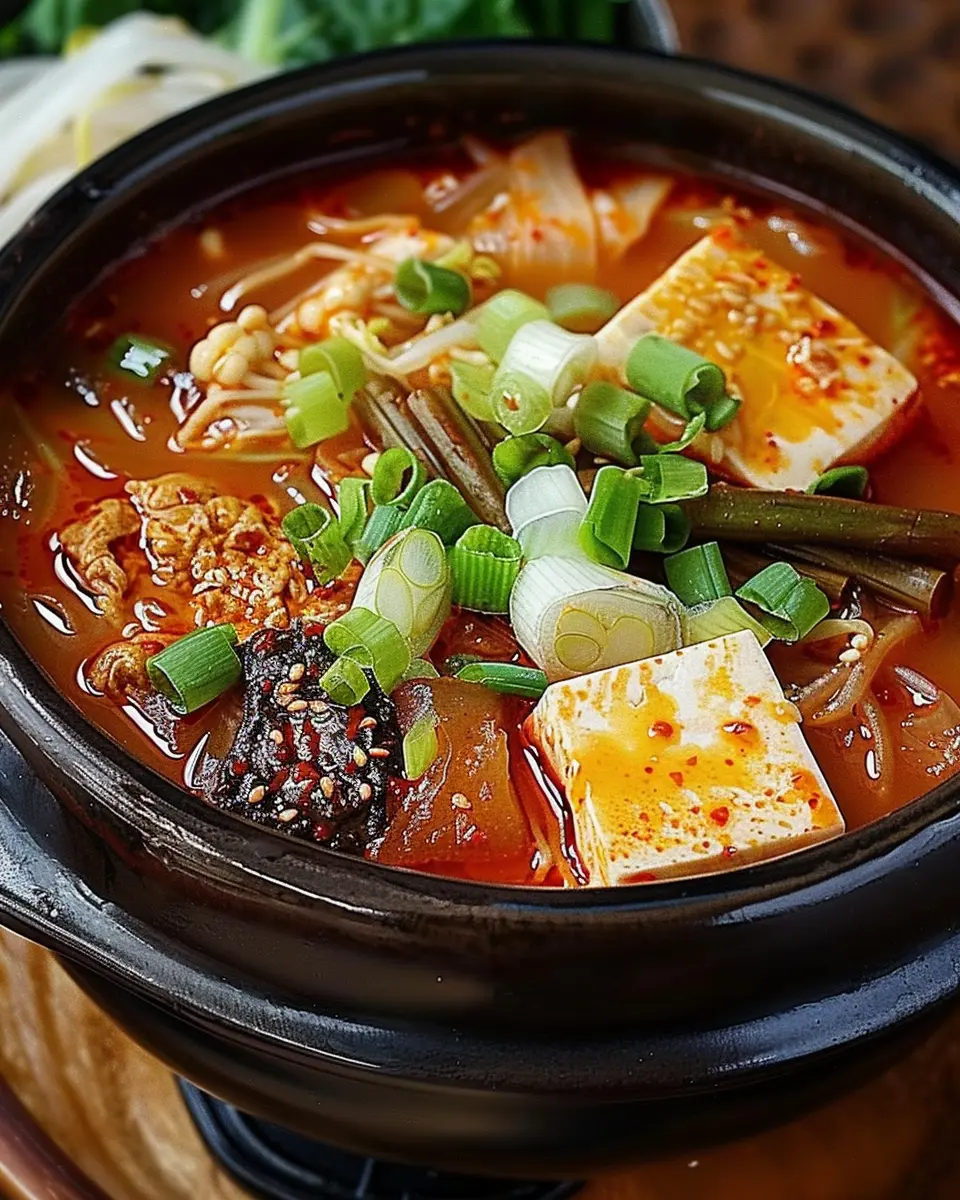
Introduction to Korean Winter Soup
As the temperatures drop and the days grow shorter, there’s nothing quite like a warm bowl of korean winter soup to wrap you in a comforting embrace. Known for their hearty ingredients and rich flavors, these soups have become a staple in Korean cuisine, cherished for their ability to nourish both the body and the soul. But what truly makes them a go-to choice during the chilly months?
What makes Korean winter soup a comforting choice?
First and foremost, the ingredients used in korean winter soup are thoughtfully selected to promote warmth and health. Root vegetables like radish and carrots, alongside wholesome proteins such as beef or chicken ham, not only provide a nutrient-dense meal but also create a satisfying depth of flavor. Many families have their own cherished recipes, often passed down through generations, turning each bowl of soup into a delicious episode of culinary heritage.
The process of making these soups is often a communal experience, bringing family and friends together during the winter months. Imagine gathering around the stove, sharing stories, laughter, and the aroma of simmering broth wafting through the air—it’s a scene that evokes feelings of warmth and togetherness. Plus, you can easily prepare a large pot, making it perfect for meal-prepping or hosting cozy dinners.
Nutritionally, korean winter soup is a powerhouse. The combination of vegetables, proteins, and spices creates a meal that’s not just filling but also packs a punch in delivering essential vitamins and minerals. Research indicates that consuming warming foods during colder months can boost mood and energy levels, making these soups a delightful remedy against winter blues (source: Healthline).
So, whether you’re looking to revitalize your winter menu or explore new culinary horizons, diving into the world of korean winter soups is both a delicious adventure and a cozy solution to battling the chill. Ready to get started? Let’s delve into a recipe that will keep you warm all season long!
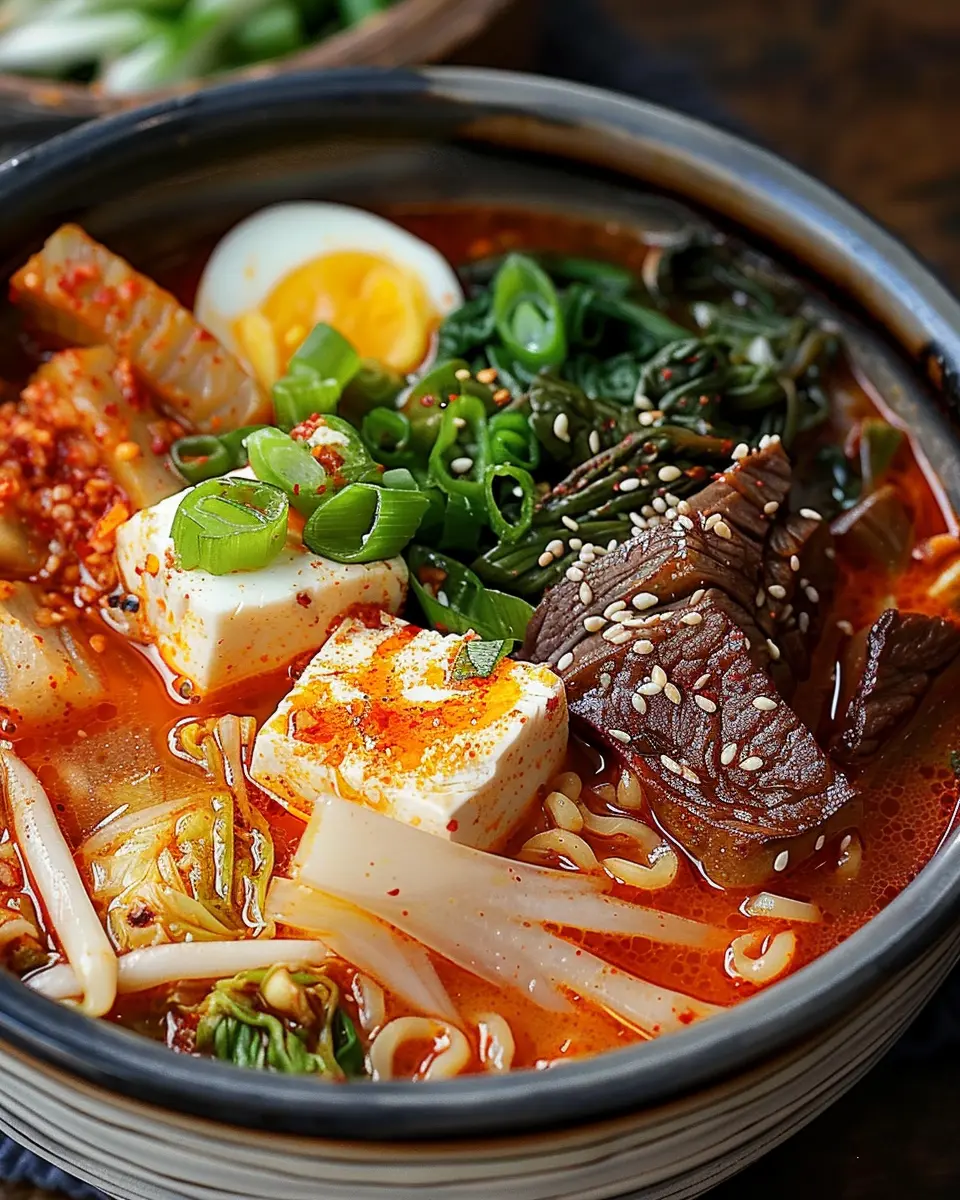
Ingredients for Korean Winter Soup
Cooking the perfect Korean winter soup requires a harmonious blend of fresh ingredients that not only bring warmth but also a burst of flavor. Here’s what you’ll need:
Essential Ingredients
- Chicken Ham: Provides a savory foundation; consider using diced chicken ham for that touch of richness without overwhelming the soup.
- Turkey Bacon: Ideal for a smoky depth; chop it up and sauté to create a crispy texture that complements the broth.
- Beef: Opt for beef slices or cubes, which add protein and contribute to the soup’s hearty nature.
- Vegetables: Fresh greens like spinach, napa cabbage, and carrots give the soup color and crunch. For a unique twist, add radish for a peppery kick!
- Garlic and Ginger: These aromatic staples not only enhance flavor but also add health benefits; they’re both known for their immune-boosting properties.
- Soy Sauce and Sesame Oil: A splash of soy sauce for umami and a drizzle of sesame oil for that nutty finish can transform your Korean winter soup into something unforgettable.
Curious about the nutritional content of these ingredients? You can explore more on the benefits of consuming fresh vegetables at Healthline. Stay warm and enjoy crafting this delicious soup!
Step-by-Step Preparation of Korean Winter Soup
When the temperatures drop and the chill sets in, there’s nothing quite like a comforting bowl of Korean winter soup. This hearty dish not only warms the body but soothes the soul. Let’s dive into how to create this delightful recipe step by step.
Prepare the beef brisket
Start by selecting a good-quality beef brisket. You’ll want about 1 to 1.5 pounds, trimmed of excess fat. Here’s how you can prep it:
- Cut the beef into chunks: Aim for bite-sized pieces. This will help them cook evenly and be easier to eat later.
- Rinse and soak: Rinsing helps remove blood and impurities. You can soak the beef in cold water for about 20-30 minutes if you prefer a cleaner broth.
- Marinate: Although optional, marinating your brisket in a bit of soy sauce, garlic, and sesame oil for 30 minutes will enhance the flavors significantly.
Boil and simmer the broth
Now that the beef is ready, it’s time to create a rich broth that serves as the heart of your Korean winter soup.
- Start boiling water in a large pot or Dutch oven; about 6-8 cups should suffice based on how hearty you want your soup.
- Once boiling, add the beef and let it cook for about 10 minutes. This initial boil helps extract flavors and tenderize the meat.
- Skim off any foam: You’ll notice some scum rising to the surface; removing this ensures a clear, clean broth.
- Reduce to a simmer: After the boil, lower the heat and let it simmer for about 1-2 hours. The longer you simmer, the more flavor you’ll extract. Just make sure to add water as needed to keep the beef submerged.
Add the flavorful ingredients
As the broth simmers, it’s your time to shine by incorporating flavorful ingredients. This is where your soup starts to reach its potential.
- Add aromatics: Include sliced ginger and garlic, typically around 2-3 cloves of each. They’ll infuse your broth with a delightful fragrance and kick.
- Incorporate umami boosters: A couple of tablespoons of gochujang (Korean chili paste) or a spoonful of miso paste can elevate the taste. The heat from gochujang can be adjusted based on your preference—less for mild, more for spicy!
Incorporate the vegetables and tofu
Now, let’s make this soup a complete meal by adding some nourishing elements.
- Choose your vegetables: Common additions include mushrooms (shiitake or enoki), carrots, and daikon radish. Dice them up and add them to the pot.
- Don’t forget the tofu: Firm tofu is a great addition for protein and texture. Cut it into cubes and add towards the end of the cooking process, about 10-15 minutes before serving. This ensures it warms up without getting mushy.
Finish with green onions and seasoning
At this stage, your kitchen should smell heavenly, and the soup should be rich and flavorful. Now for that finishing touch:
- Green onions are key: Slice them thinly and add them just before serving. They bring a fresh crunch and a beautiful pop of color.
- Season to taste: Use salt and pepper, but take it easy—your broth should be full of flavor already! Taste as you go to find that perfect balance.
- Optional: Add a splash of sesame oil at the end for an extra depth of flavor.
After a long day, there’s nothing more satisfying than enjoying a warm bowl of Korean winter soup. Share it with friends, or savor it solo while cozied up at home. What are you waiting for? Get that pot boiling, and enjoy the heartwarming experience of this beloved dish!
For more recipes and tips about Korean cuisine, be sure to check out Korean Bapsang, where you’ll find a treasure trove of delicious ideas.
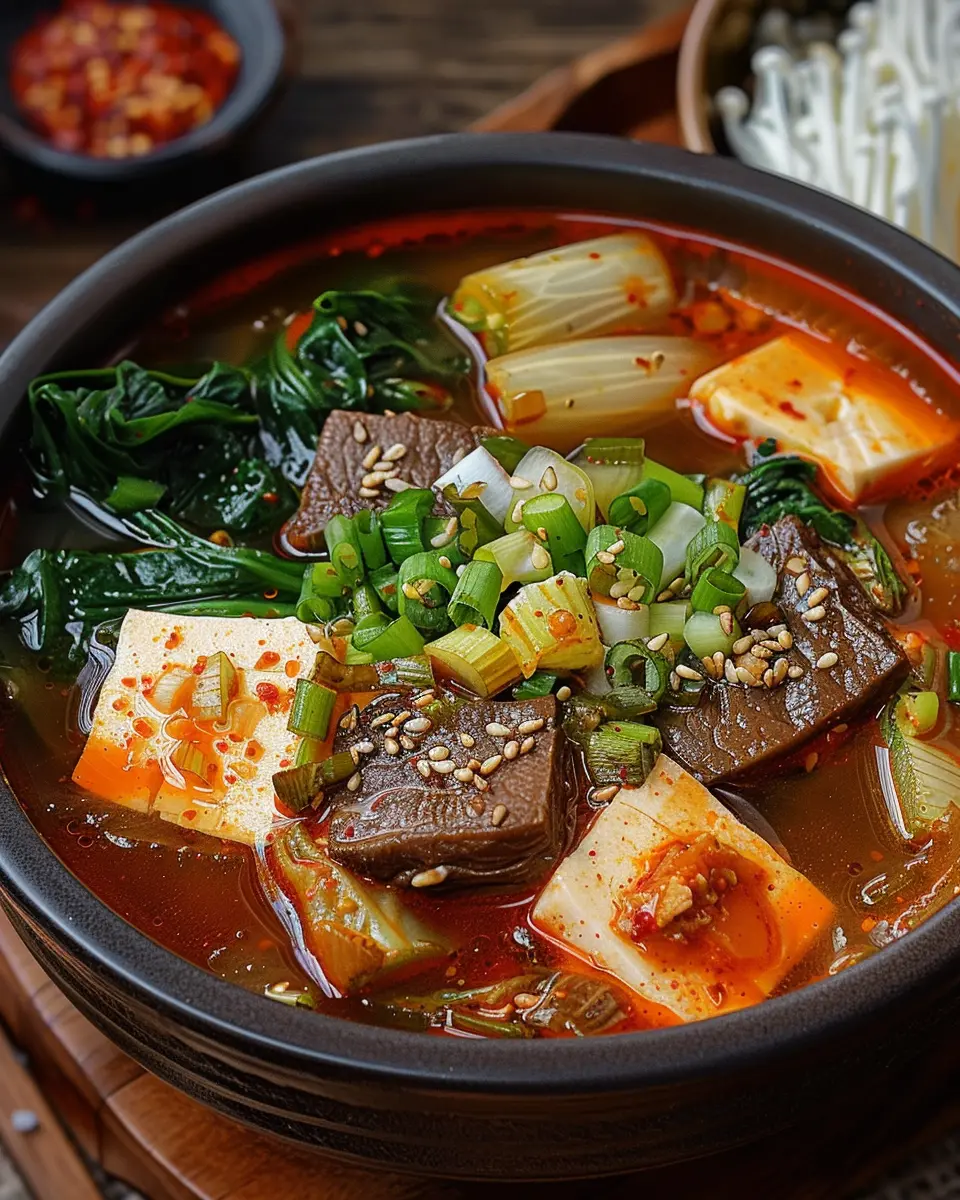
Variations of Korean Winter Soup
Korean winter soup is one of those cozy dishes that can be easily customized to fit your taste or dietary preferences. Here are a couple of delightful variations to try, ensuring everyone can enjoy this heartwarming meal!
Spicy Variation with Extra Gochugaru
If you’re someone who loves a good kick, consider elevating your Korean winter soup with extra gochugaru, a Korean red chili pepper powder. Adding a generous sprinkle can transform your bowl into a spicy haven!
- Ingredients:
- 1-2 tablespoons of gochugaru, depending on your spice tolerance
- Additions like sliced green onions for garnish
- A dash of sesame oil to enhance the flavors
Not only does this fiery twist warm you from the inside out, but studies have shown that spicy foods can boost metabolism and improve mood — perfect for those chilly winter days! Experiment with the spice levels until you find your ideal balance.
Vegetarian Option with Mushrooms and Additional Greens
For a vegetarian twist, swap out the meat with a variety of mushrooms and an array of fresh greens. This version of Korean winter soup brings in a hearty umami flavor without needing any animal products.
- Suggested Ingredients:
- Shiitake or portobello mushrooms for that earthy depth
- Bok choy, spinach, or kale to introduce vibrant greens
- Swap chicken broth for vegetable broth for a full plant-based experience
This variation offers all the comfort you’d expect from winter soup while also being packed with nutrients. Did you know that incorporating more vegetables into your diet can significantly improve your health? It’s a win-win for both your taste buds and your body!
Whichever variation you choose, the beauty of Korean winter soup is that it’s adaptable. So don’t hesitate to get creative! You can learn more about ingredient substitution and the benefits of various spices here. Enjoy!
Cooking Tips and Notes for Korean Winter Soup
How to Achieve the Best Flavors
To create an unforgettable Korean winter soup, focus on layering flavors. Start by sautéing your aromatics, like garlic and ginger, until fragrant—this step is crucial. Using quality beef will significantly enhance the richness of the broth. Consider adding a splash of soy sauce or doenjang (Korean fermented soybean paste) to deepen the flavor. If you’re looking for an umami boost, a handful of dried mushrooms or sea kelp can work wonders. Remember, let your soup simmer longer; the deeper the flavor, the cozier it feels on a cold day.
Storage Tips for Leftovers
Leftover Korean winter soup can bring joy to your busy week. Store it in an airtight container in the refrigerator for up to three days. For longer storage, freeze portions in freezer bags—just leave some room for expansion. When reheating, be sure to do it on low heat to preserve those beautiful flavors. Did you know that soup often tastes even better the next day? It’s true! For more storage tips, check out this detailed guide on proper food storage techniques.
By following these tips, you’ll be well on your way to preparing a delightful Korean winter soup that keeps you warm all season long!
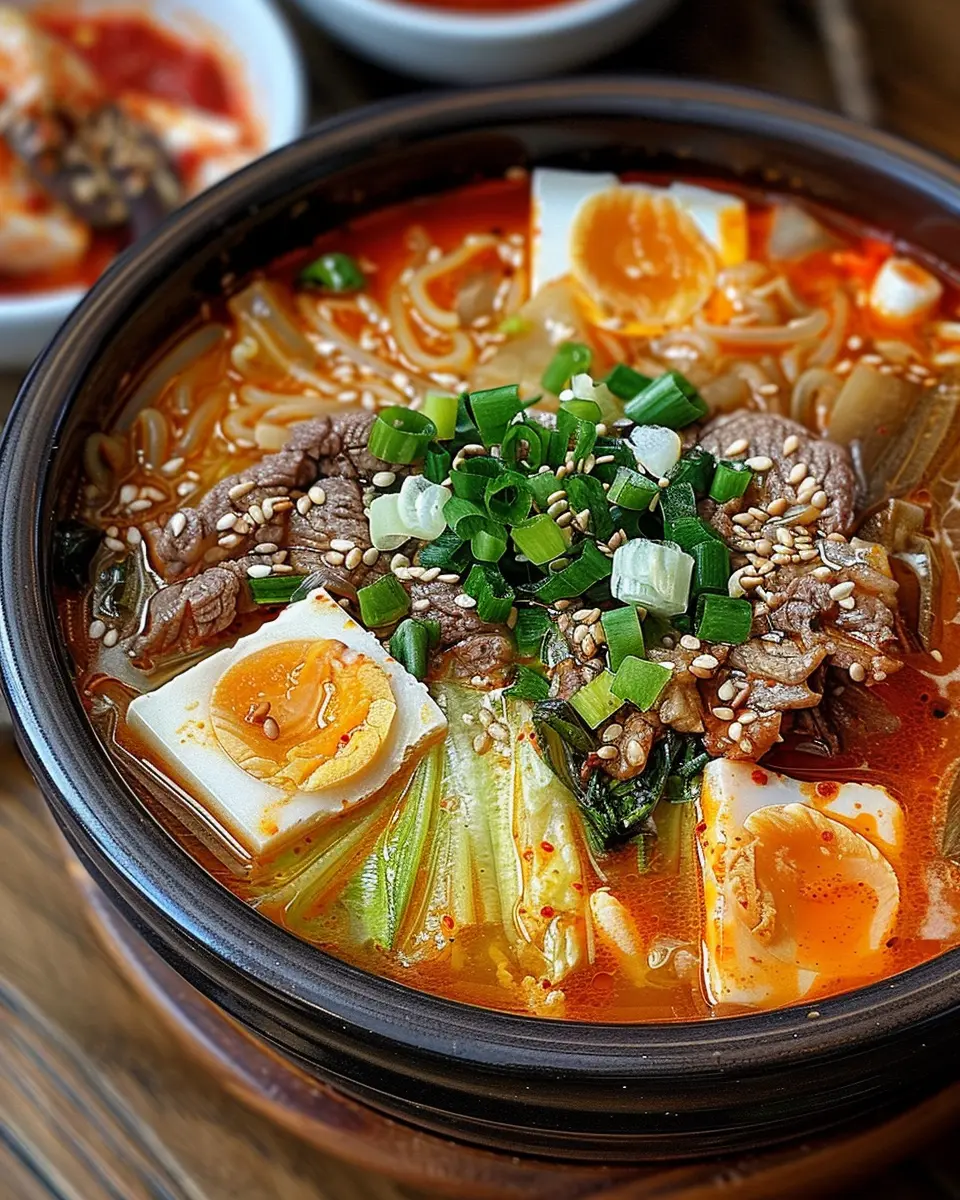
Serving Suggestions for Korean Winter Soup
Pairing with Rice and Pickled Side Dishes
When it comes to enjoying your Korean Winter Soup, a hearty bowl of steamed rice is a must. The fluffy rice acts as a delightful balance to the rich, savory flavors of the soup. Serve it in a separate bowl, allowing everyone to personalize their meal. To enhance the experience, consider incorporating traditional pickled side dishes, known as banchan. These add an extra layer of flavor and a refreshing crunch. Popular options include pickled cucumbers, radish, and seasoned bean sprouts.
Enjoying with a Side of Kimchi
No authentic Korean meal is complete without a side of kimchi. The tangy and spicy notes of this fermented cabbage dish perfectly complement the warmth of your Korean Winter Soup. Whether you prefer the classic Napa cabbage kimchi or a variety with radish, having it at the table is essential. It not only adds flavor but brings in that probiotic punch too! For more on the health benefits of kimchi, check out resources like Healthline.
Take a moment to savor this comforting combo, perfect for those chilly days!
Time Breakdown for Korean Winter Soup
Preparation Time
Getting everything ready for your Korean winter soup is a breeze. You’ll want to set aside about 15 minutes for chopping vegetables, measuring spices, and gathering your ingredients. This is your chance to create a little mise en place—having everything prepped will make cooking smoother.
Cooking Time
Once you’re prepped and ready, the cooking process typically takes around 30–35 minutes. This includes simmering the delicious medley of ingredients until they meld together, creating that comforting aroma that fills your kitchen.
Total Time
All in all, you’re looking at roughly 50 minutes from start to finish. With such a short cooking time, why not whip up a big batch? You can enjoy leftovers throughout the week or share with friends for a cozy gathering—pass the warmth! Want to learn more about the health benefits of Korean soups? You might find this resource helpful!
Nutritional Facts for Korean Winter Soup
When it comes to warming up during those chilly months, Korean winter soup is a fantastic choice not just for its taste but for its nutritional value. Let’s dive into the essentials:
Calories
A hearty bowl of Korean winter soup typically contains around 300-400 calories, depending on the ingredients and portion size. It’s a satisfying meal that won’t weigh you down.
Protein
With the inclusion of ingredients like Turkey Bacon and Chicken Ham, you can expect around 25 grams of protein per serving. This means it’s a great option for those looking to fuel their bodies!
Carbohydrates
Packed with veggies and perhaps some rice or noodles, you’re looking at 30-40 grams of carbohydrates. This makes it a nourishing source of energy for your day.
Sodium
Be mindful of the saltiness! A serving may have about 700-800 mg of sodium, especially if you use store-bought broth. Opt for low-sodium alternatives to keep it heart-friendly.
By savoring this flavorful dish, you’re not only indulging your taste buds but also nourishing your body. For more on the health benefits of soup, check out sources like Healthline or WebMD for insights!
FAQs about Korean Winter Soup
Can I make this soup in a slow cooker?
Absolutely! Making your korean winter soup in a slow cooker is a fantastic way to develop rich flavors while saving time. Just brown the beef brisket first to enhance the taste. Then, add all ingredients to the slow cooker and set it on low for 6-8 hours. You’ll come home to a warm, comforting meal that feels like a big hug on a chilly evening.
What can I substitute for beef brisket?
If you’re not a fan of beef brisket or simply want to try something different, there are several great substitutes. Ground beef can be an excellent choice for a quicker-cooking option. If you’re looking for leaner meats, chicken breast or turkey breast can also blend beautifully into the soup. For even more flavor, consider adding some diced turkey bacon for that smoky touch!
How do I store and reheat leftovers?
Storing your korean winter soup is easy! Make sure it cools completely before transferring it to an airtight container. It should last in the fridge for about 3-4 days. For longer storage, consider freezing it—just use a labeled freezer-safe container. When reheating, if using a microwave, do it in short intervals, stirring in between, to ensure even heating. Alternatively, you can reheat it on the stovetop over low heat until steaming.
Feeling a bit adventurous? Check out this guide on proper soup storage techniques from Food Safety. It’s always better to be safe with leftovers!
Conclusion on Korean Winter Soup
Korean winter soup is more than just a meal; it’s an experience. As the weather turns chilly, enjoying a warm bowl of this comforting dish not only fills your belly but warms your heart. The combination of hearty ingredients like beef and Turkey Bacon creates a rich flavor profile that’s hard to resist.
Whether you’re making it for a family gathering or a cozy night in, this soup is sure to impress. Experiment with different vegetables, and spices, and even adapt it to fit your dietary needs. For a deeper dive into Korean cuisine, check out Korea’s Heart of Cooking: Kimchi. So grab your ladle and embrace the warmth of Korean winter soup!
PrintKorean Winter Soup: The Best Comforting Bowl for Chilly Days
A warm and hearty soup perfect for cold winter days.
- Prep Time: 10 minutes
- Cook Time: 15 minutes
- Total Time: 25 minutes
- Yield: 4 servings
- Category: Soup
- Method: Stovetop
- Cuisine: Korean
- Diet: Gluten-free
Ingredients
- 2 cups chicken broth
- 1 cup tofu, cubed
- 1 cup kimchi, chopped
- 1 tablespoon gochujang
- 1 teaspoon sesame oil
- 2 green onions, sliced
- 1 cup mushrooms, sliced
- 1 tablespoon garlic, minced
- 1 teaspoon ginger, grated
- 1 egg
Instructions
- In a pot, combine chicken broth, kimchi, gochujang, sesame oil, garlic, and ginger. Bring to a simmer.
- Add tofu and mushrooms, cooking until heated through.
- Crack an egg into the pot and stir gently until it is cooked.
- Garnish with green onions before serving.
Notes
- Adjust the spiciness by adding more or less gochujang.
- Can be served with rice for a heartier meal.
Nutrition
- Serving Size: 1 bowl
- Calories: 200
- Sugar: 2g
- Sodium: 700mg
- Fat: 8g
- Saturated Fat: 1g
- Unsaturated Fat: 5g
- Trans Fat: 0g
- Carbohydrates: 20g
- Fiber: 3g
- Protein: 12g
- Cholesterol: 70mg